Established General Contractor: Bringing Dreams Into Reality
A trustworthy general contractor is key in turning architectural ideas into physical structures. By overseeing timelines and budgets, they certify projects progress effectively. Their expertise creates a collaborative environment, necessary for minimizing risks. Nevertheless, not all contractors are the same. Understanding how to select the right one is crucial for any successful project. What essential qualities should one seek, and how can they impact the overall outcome?
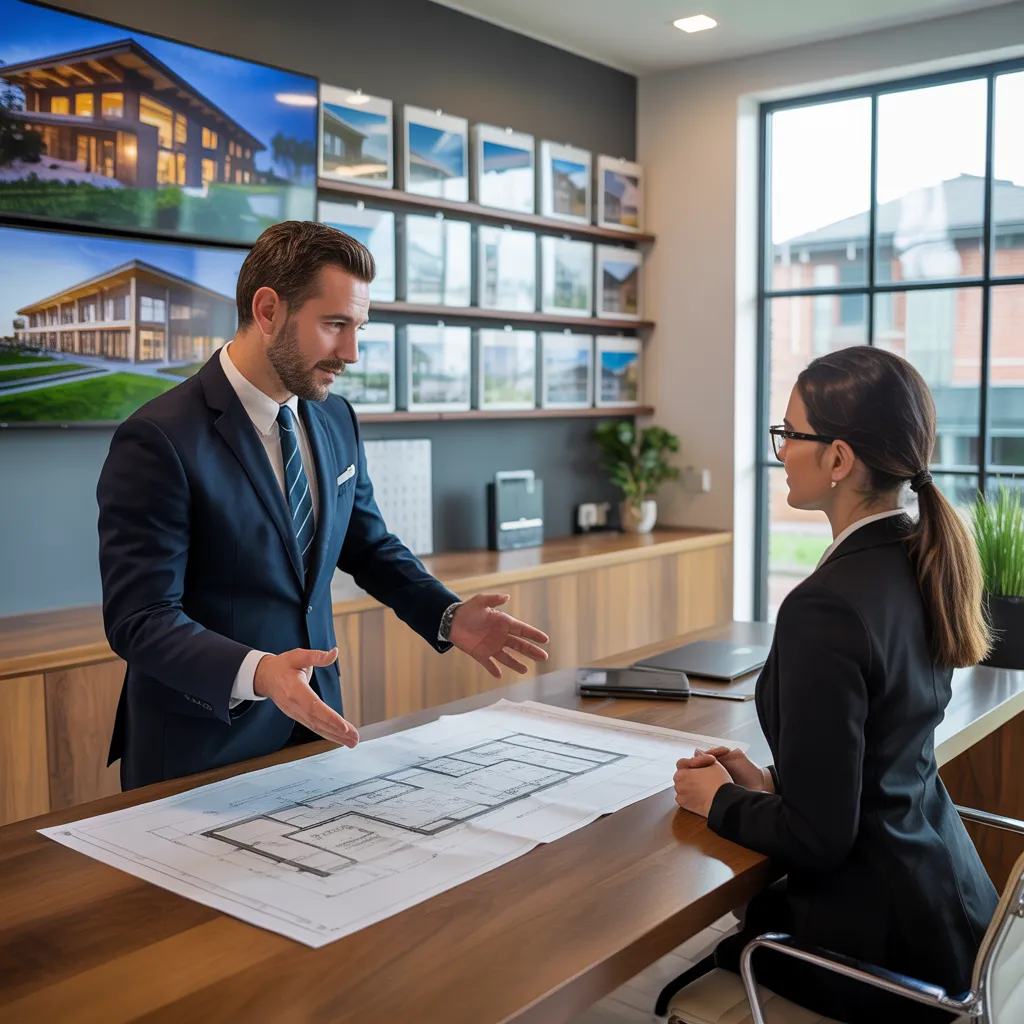
How Can You Recognize a Trusted General Contractor?
How can one determine the reliability of a general contractor? Reviewing a contractor's standing is crucial. One efficient method is to obtain suggestions from personal contacts and web-based reviews, which provide insights into previous work and customer contentment. Furthermore, verifying licenses and insurance coverage confirms that the contractor adheres to professional guidelines and protects against foreseeable issues. Inspecting past projects, either through project portfolios or on-site inspections, allows you to determine the caliber of their workmanship.
Additionally, obtaining multiple quotations permits review of rates and project timelines, surfacing any inconsistencies that may indicate questionable reliability. Effective communication is additionally a critical factor; a solid professional should be responsive and clear in their interactions. Finally, examining references can provide pertinent information about a professional's standards of work and reliability. By executing these procedures, one can make informed determinations when engaging a general contractor for building projects.
Critical Properties of a Top-notch General Contractor
A talented construction manager reflects essential qualities that confirm project success. Superior communication skills facilitate effective communication with project owners, subcontractors, and suppliers, while verified project leadership background promises timely and budget-conscious delivery. These attributes are paramount in actualizing visions into existence.
Powerful Interpersonal Strengths
While competent project management is essential for a general contractor, robust communication abilities often serve as the cornerstone for fruitful partnerships. These abilities allow a contractor to articulate project goals clearly, guaranteeing that all team members and stakeholders are unified. Clear communication strengthens trust, permitting for transparent discussions concerning timelines, budgets, and changes. A good general contractor genuinely hears clients, subcontractors, and suppliers, resolving issues promptly and adjusting to feedback. This two-way dialogue not only strengthens problem-solving but also creates a positive working environment. Additionally, clear communication prevents misunderstandings, which can lead to costly delays or errors. Ultimately, robust communication abilities empower a general contractor to handle obstacles with efficiency, making certain that projects progress smoothly from inception to completion.
Established Project Management Background
Proving established project management experience is vital for any general contractor working to achieve success. Effective project management involves precise planning, resource allocation, and timeline adherence. A seasoned contractor exhibits the ability to coordinate multiple teams, ensuring that architects, engineers, and subcontractors cooperate efficiently. Additionally, they expertly manage challenges, applying problem-solving skills to keep projects on schedule and within budget. Their experience allows them to anticipate potential problems, mitigating risks before escalation. Furthermore, strong project management encourages transparency, keeping clients informed throughout the construction process. By emphasizing quality control and complying with safety standards, a general contractor with established experience delivers not only excellent results but also builds enduring relationships rooted in trust and reliability.
The Advantages of Engaging a Trustworthy General Contractor
Hiring a reliable general contractor offers substantial advantages in any building endeavor. Their knowledge and background guarantee that tasks are completed to quality benchmarks, while also improving time and cost efficiency. This synergy enables homeowners and businesses to focus on their goals without the burden of project management.
Competence And Experience
Hiring a trustworthy general contractor offers a great amount of skill and know-how to any building project. Their complete understanding of building codes, regulations, and industry standards ensures that each part of the construction process is compliant and streamlined. Experienced contractors have fine-tuned their abilities through multiple projects, enabling them to detect possible issues and formulate practical solutions. Their durable connections with subcontractors and suppliers additionally enhance the quality of materials and workmanship. Moreover, a trusted general contractor exhibits robust project management capabilities, overseeing timelines, budgets, and resources efficiently. This know-how not only minimizes risks but also promotes a cooperative environment, converting a client’s vision into a tangible outcome while upholding high standards across the entire construction process.
Time and Expense Enhancement
A trusted general contractor considerably boosts both time and cost efficiency in construction projects. By managing different subcontractors and suppliers, they streamline workflows, cut down delays, and ensure tasks are done promptly. Because of solid industry relationships, they often secure better pricing on materials and labor, cutting down total project costs. In addition, a experienced contractor preemptively spots potential problems, allowing for quick solutions that avert costly setbacks. With their project management expertise, they ensure effective resource allocation so that labor and materials are utilized efficiently. In the end, employing a trustworthy general contractor speeds up project timelines while protecting the budget, giving clients peace of mind and assurance in their investment.
Streamlining Your Undertaking With a General Building Contractor
Effective project management often relies on the competence of a general contractor. By acting as the central coordinator in the construction phase, a general contractor coordinates various elements of the project, ensuring seamless correspondence among subcontractors, suppliers, and clients. This connected approach minimizes delays and reduces the likelihood of miscommunication, which can lead to expensive difficulties.
A general contractor improves the operation by setting up transparent deadlines and plans, permitting all participants to stay aligned with project milestones. They also demonstrate the understanding to anticipate challenges, enabling forward-thinking conflict resolution. Moreover, they oversee permits and inspections, alleviating the responsibility on patrons and ensuring conformity with local regulations.
In the end, the engagement of a proficient general contractor changes complicated assignments into workable duties, letting homeowners and developers to center on their vision while relishing peace of mind throughout the construction process. This cooperation cultivates a more productive and successful project outcome.
Top 5 Problems to Stay Away From When Appointing a Contractor
How can homeowners guarantee they choose the right contractor for their project? Avoiding common pitfalls is crucial. First, homeowners should refrain from choosing a contractor solely based on the lowest bid. Quality often comes at a price, and a low estimate may signal inadequate experience or hidden costs. Second, failing to check references can lead to selecting someone unreliable or unreliable. Third, neglecting to confirm licenses and insurance can expose homeowners to legal and financial liabilities. Fourth, not reviewing project timelines in detail may result in unexpected delays and frustrations. Ultimately, homeowners often overlook the importance of clear dialogue. A contractor who doesn't listen to concerns or provide updates can cause misunderstandings. By steering clear of these mistakes, homeowners can enhance their chances of selecting a contractor who will effectively bring their vision to life.
Important Questions to Ask Prior to Finalizing a Deal?
What necessary considerations should residents reflect on before signing a contract with a contractor? To start, they should check into the contractor's qualifications and liability coverage status. Sound credentials shield homeowners from potential liabilities. After that, obtaining references and assessing past projects can furnish insight into the professional's consistency and quality of work. Homeowners should also explore timelines—grasping the projected start and completion dates is vital for planning.
Additionally, clarifying payment terms is significant; homeowners must know the required deposit amount and the sequence for ensuing payments. Further, homeowners should question what will come about if unanticipated complications arise during the task, including order changes and how they will be processed. Finally, comprehending warranty terms on both workmanship and materials can provide peace of mind. By addressing these topics, homeowners can arrive at sound conclusions and forge a robust foundation for their project.
Developing a Permanent Rapport With Your General Contractor
Building a solid relationship with a general contractor can greatly enhance the overall quality of a home building documentation or remodeling project. Clear dialogue is the cornerstone of this relationship, fostering trust and transparency. Homeowners should emphasize transparent communication, covering expectations, schedules, and financial limitations early in the process.
Consistent check-ins and updates can help tackle issues in a timely manner, making sure that both parties stay on the same page throughout the project. Additionally, expressing gratitude for the contractor's expertise can create mutual respect and encourage a collaborative atmosphere.
Flexibility is also vital; understanding that difficulties may occur can facilitate solution-finding and adjustment. A positive rapport can result in superior quality work, as contractors are more inclined to invest extra time when they sense appreciation. In the end, a lasting partnership with a general contractor not only contributes to a successful project but can also create opportunities for upcoming projects.
Commonly Asked Questions
What Approach Do General Contractors Take for Unforeseen Project Changes?
General contractors coordinate unforeseen modifications by examining circumstances, communicating with stakeholders, adjusting timelines and budgets, and deploying corrective measures. Adaptability and analytical abilities are essential in maintaining project momentum despite unforeseen challenges.
What Ranges of Projects Do Construction Companies Normally Administer?
General contractors frequently administer an assortment of assignments, comprising residential renovations, commercial construction, structural improvements, and bespoke installations. Their competence covers logistics, budgeting, and timeline development, guaranteeing project fulfillment throughout diverse construction disciplines and difficulties.
How Do Payment Schedules Operate in Coordination With a General Contractor?
Payment schedules with a general contractor generally comprise initial contributions, with subsequent milestone-based payments contingent on project milestones. Final payments are completed upon project completion, ensuring both parties keep aligned on fiscal responsibilities throughout the construction process.
Can a General Contractor Help With licenses and Regulations?
A construction professional can absolutely aid in obtaining permits and regulations. They typically work through area construction requirements, submit required paperwork, and ensure legal compliance, making the process simpler for clients and helping avoid potential legal complications.
What develops if the Project goes beyond the preliminary Budget?
If a project exceeds the original cost estimate, the builder typically conveys the reasons for the rise. They may propose modifications, obtain customer consent, and explore budget-reducing options to maintain the project on track.